How Small Translation Agencies Win Retainer Clients: A Practical Business Development Guide
Key Takeaways
- A retainer agreement gives a translation client predictable access, priority support, and a flat monthly fee instead of one-off quoting every week.
- The best retainer clients usually come from your existing client base, not cold outreach.
- Retainer clients expect ongoing value beyond just deliverables: speed, consistency, optimization, risk reduction, and strategic advice.
- Awtomated helps small LSPs track usage, costs, reporting, renewals, and profitability so retainer projects stay clear on both sides.
- Treat every retainer as a relationship, not a shortcut to easy money.
Introduction: Why Retainer Clients Are the Holy Grail for Small Translation Agencies
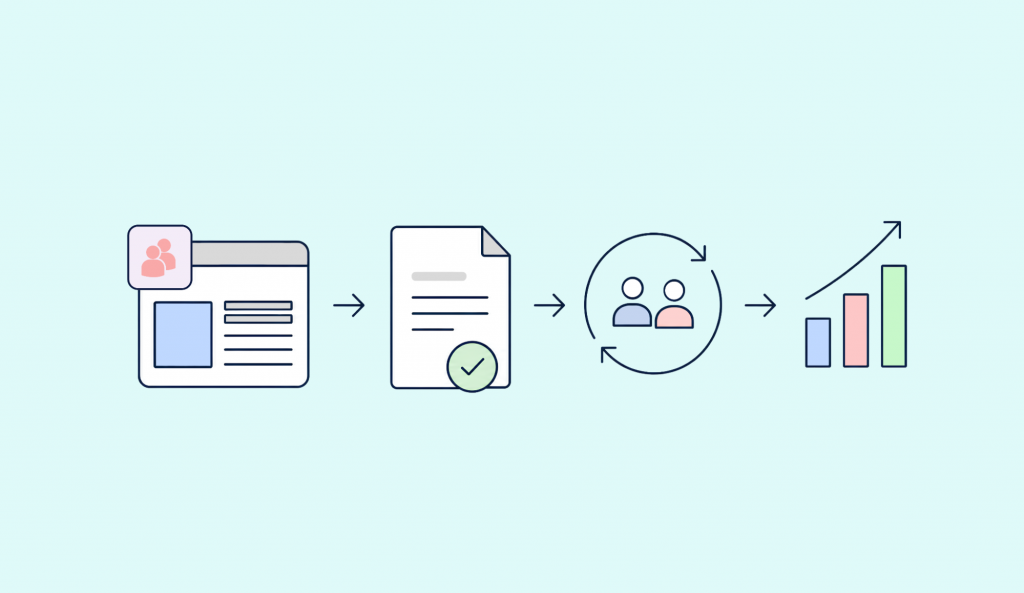
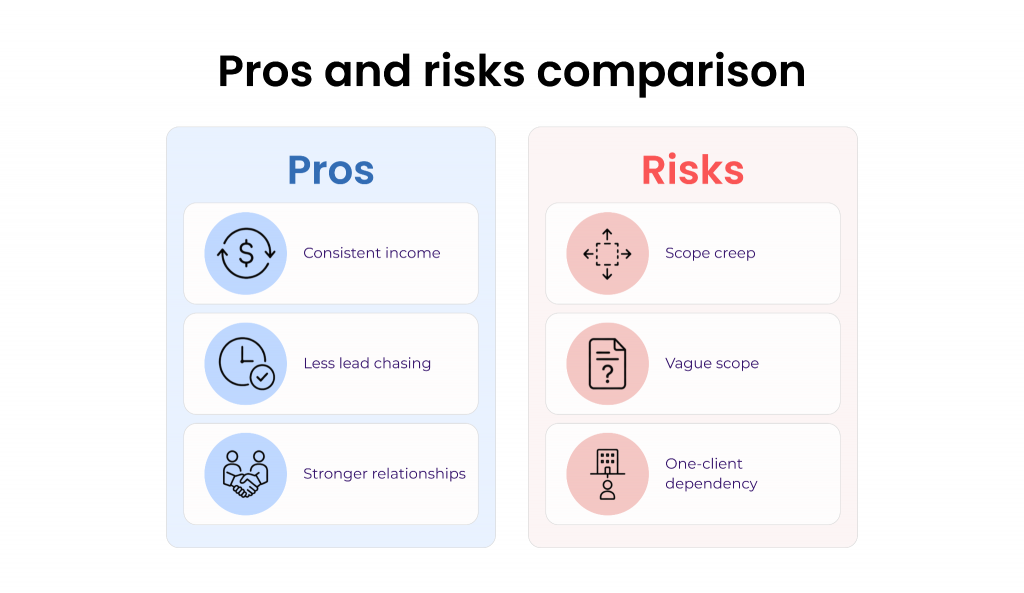
For many small translation agencies, retainer clients feel like the holy grail: consistent income, less time chasing leads, and deeper relationships with customers you already enjoy working with.
Since 2020, translation demand has become more volatile. Product teams release weekly, e-commerce teams refresh ad campaigns constantly, and legal, medical, and technical translation buyers need reliable support on a monthly basis. B2B translation buyers prioritize reliability speed and industry expertise, not just the lowest hourly rate.
At Awtomated, we see retainers as a practical business model when they are designed carefully. This guide shows how to get retainer clients translation agency owners can actually serve profitably: how to package services, price them, pitch them, and manage delivery with a Translation Business Management Software. Before you can win retainers sustainably, it helps to have the right foundations in place, including building your agency infrastructure first.
What Is a Retainer Agreement for a Translation Agency?
A retainer agreement is an ongoing contract where a client is paid in advance for guaranteed access to your services. Retainer agreements are common among freelancers and attorneys, and the same idea works for LSPs: the client pays a retainer fee or flat monthly fee for a defined certain amount of capacity, support, or outcomes.
For example, a SaaS company might purchase a €2,500/month continuous localization plan covering UI strings, release notes, and help center updates. An e-commerce client might reserve translation and review for product pages, a monthly newsletter, and marketing campaigns.
A good agreement includes languages, content types, deadlines, response times, payment terms, CAT tools, glossaries, translation memories, and a monthly report. Retainers do not have to mean “use it or lose it” hours. The focus should be ongoing value: faster launches, fewer errors, consistent terminology, and peace of mind.
Why Retainers Make Sense for Small LSPs (and When They Don’t)
Retainers provide consistent income and reduce lead-finding efforts. Retainers can provide freelancers with consistent monthly income, and they help freelancers avoid the constant search for new clients; for agencies, the same principle creates steadier revenue and a healthier schedule.
Clients prefer retainers for consistent support and peace of mind. Retainers can help clients avoid the hassle of finding new freelancers every time a document, website update, or campaign appears. Translation agencies build long-term client relationships by delivering consistent quality, clear upfront quotes, and agreed-upon deadlines.
They are not magic. If one client dominates revenue, if scope is vague, or if seasonal demand swings wildly, a retainer can hurt margin. Research cited by translation cash-flow analysts suggests around 35% of agencies use retainers as a primary pricing model, but underpricing and scope creep remain common risks.
Designing Translation Retainer Packages That Deliver Ongoing Value
Start with recurring work you already see: website updates, software release notes, contracts, HR policies, landing pages, or support articles. Then create two or three simple offers:
| Package | Best for | Included value |
| Continuous Localization | SaaS/app teams | UI strings, release notes, help center updates, glossary care |
| Marketing & Brand | B2C brands | newsletters, landing pages, social posts, ad campaigns |
| Legal & Compliance | Law firms/corporates | contracts, NDAs, policies, rush SLA, confidentiality |
Ongoing services can include optimization, insurance, and training: terminology optimization, workflow insurance through backup linguists, and client-side training on how to submit cleaner briefs. Clients pay a premium for agencies that understand industry-specific terminology, especially in legal, medical, or technical translation. Formal accreditation also opens doors: using ISO compliance to win enterprise retainers is a strategy worth reading before you pitch regulated-industry clients.
Awtomated helps turn these into reusable templates with fixed tasks, language pairs, vendors, rates, and standard SLAs.
What to Include in Your Retainer Agreement
Include:
- scope, deliverables, languages, and excluded work
- flat monthly fee, billing date, payment terms, and overage rules, all trackable through Awtomated’s finance management tools
- standard and rush turnaround times
- review rounds and escalation paths
- TM, glossary, and style guide ownership
- reporting cadence and renewal dates
Utilize translation memory tools and create glossaries to ensure brand voice consistency. Use translation management systems that integrate with clients' existing software when possible, so support does not depend on email alone. Giving clients a professional portal experience to track projects, approve quotes, and download files is one of the fastest ways to differentiate your retainer offering.
A monthly report can illustrate the value provided to clients by showing volume, quality improvements, rush jobs handled, and optimizations completed.
Flat Monthly Fee vs. Hour-Based Retainers
Flat monthly fees are recommended for retainer agreements because they help clients budget and reduce friction with finance. Retainer agreements often include a flat monthly fee structure for this reason.
Avoid selling only “20 hours/month.” Set a flat monthly fee without counting hours for retainers whenever possible. Hours can be tracked internally in Awtomated, but the client should buy outcomes and access, not anxiety about a clock.
Use the last 3–6 months of work, add a safety margin, and evaluate profitability per client before you quote. Retainers can earn more than the set amount when overages, added languages, or premium rush services are clearly priced.
How to Find and Qualify Potential Retainer Clients
Pitch retainers only to clients you’ve previously worked with. Export the last 12–18 months from Awtomated and look for strong patterns in volume, content type, and margin. Awtomated’s client relationship management tools make it straightforward to segment and prioritise your best retainer candidates. Look for:
- at least one project in most months
- repeated content types
- repeated language pairs
- above-average margin
- strong communication history
Build a shortlist of 10–20 warm accounts before chasing a new client. Ask: Are you entering new markets in 2026? Are you releasing content every week? Are POs, invoices, or approvals slowing you down?
Do light research on LinkedIn, press releases, release notes, job posts, and the client website. This knowledge makes the proposal feel relevant, not generic.
Signals That a Client Is Ready for a Retainer
Good signs include frequent rush requests, many small projects, complaints about unpredictable invoices, or language like “we need a partner.” Strategic signs include hiring a localization manager, expanding into Germany or Japan, or launching multilingual products.
Awtomated dashboards can surface patterns: high volume in a given month, repeated vendors, repeated delays, or a pile of small jobs that would be easier under one plan.
Red flags include extreme price sensitivity, poor feedback habits, or a client who treats translation as a checkbox instead of a business function.
Pricing Retainer Clients Without Undervaluing Your Agency
Use a simple pricing process:
- Review 6–12 months of volume, languages, and projects.
- Identify average and peak months.
- Calculate vendor cost, PM time, QA, tools, and overhead.
- Add desired margin plus a 10–20% risk buffer. For a benchmarked view of what to charge at different agency sizes, see Awtomated’s pricing and understand the tool cost you are building into each retainer.
Clients often expect discounts on retainer rates; 10–15% is common in some agency guidance, but do not discount just because the word “retainer” appears. You are also reserving capacity and providing a guarantee.
Ongoing value should be communicated to justify retainer fees: shorter time-to-market, fewer internal approvals, reduced risk, and access to a team that already knows their preferences. Getting the numbers right matters as much as the pitch, pricing your retainer contracts for profitability from day one prevents the margin erosion that kills most retainer arrangements.
Avoiding the “Use It or Lose It” Trap
Classic “use it or lose it” retainers create tension. Clients cram unnecessary work into the month-end; agencies resent it.
A better structure is access plus outcomes, with a small rollover window or quarterly recalibration. In Awtomated, you can compare actual volume to baseline and discuss scope before resentment builds.
Spell out overages: preferred per-word, per-project, or rush rates. Keep the rules simple enough that procurement can approve them without a consultant translating your contract.
How to Pitch and Close Retainer Agreements
Your pitch should not feel like selling a subscription. It should feel like advice based on evidence.
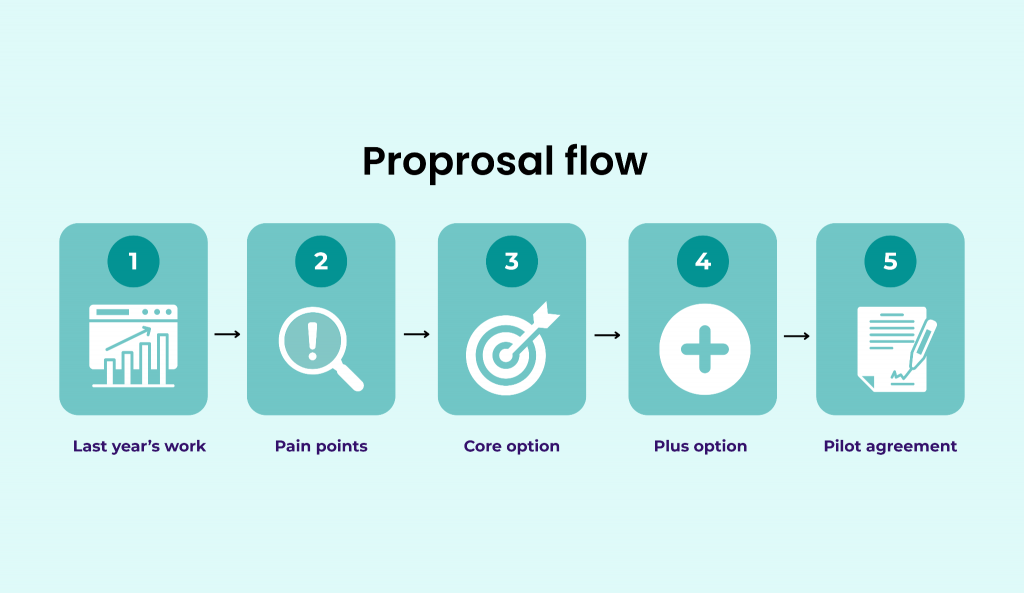
Create a 1–2 page proposal showing last year’s work, average spend, turnaround patterns, and two options: Core and Plus. Compare the retainer to ad-hoc projects and show where the client saves admin time.
Maintain open channels of communication for clarification with clients. Provide clear upfront quotes and adhere to agreed-upon deadlines before you ever ask for the agreement; trust is earned through great work first. See our guide on quoting retainer agreements correctly to make sure your first proposal lands well.
Positioning Retainers When Offboarding a Project
When a website, app, or large document project ends, ask: “What happens to your multilingual content after launch?”
Then connect the dots: bug fixes, new pages, campaigns, support articles, and new markets will happen. A retainer protects the investment and shifts you from transactional vendor to strategic partnership.
Awtomated can generate a final project summary and next-step recommendation, including a retainer option.
Handling Objections from Prospects
Common objections are predictable: fear of being locked in, worry about unused capacity, budget limits, or “let’s wait.”
Respond with a 3–6 month pilot, exit clauses, quarterly reviews, and a comparison against last year’s invoices. If a finance person asks why not keep doing one-off jobs, show the data.
This is not like a website security service that blocks malicious bots, verifies traffic, and shows “verification successful” with a response ray id when a bot is filtered. A retainer needs human trust, not just security automation.
Delivering, Monitoring, and Growing Your Retainer Relationships
Assign dedicated project managers who know the client’s specific preferences. Tag all retainer projects in Awtomated, monitor volume, watch vendor costs, record feedback, and protect margin. For a deeper look at managing retainer clients in your CRM, see why generic CRMs often fall short for LSPs.
Provide a monthly report to showcase the value delivered. Monthly reports can illustrate the value of retainer services, especially for CEOs and CMOs who do not see every file.
As trust grows, discuss added services: more languages, subtitles, SEO translation, MTPE review, or training for the client’s content team. This is where a retainer can support not just one purchase, but a longer business relationship and even your own career and agency life.

Creating a CEO-Ready Monthly Report
Every monthly report should be scan-friendly:
- volume translated and reviewed by language
- key projects completed
- QA trends and terminology improvements
- on-time delivery rate and rush jobs handled
- risks, recommendations, and next steps
Add one or two charts from Awtomated and a short human summary. A strong report makes the ongoing value visible and makes renewal discussions easier.
FAQ
How long should a translation retainer agreement last initially?
Start with 3–6 months. That is long enough to prove success but short enough that the client does not feel trapped. After that, move to 12-month renewals with annual scope and pricing reviews.
Can I mix retainer work and one-off projects for the same client?
Yes. Many agencies keep ongoing work under retainer and quote unusual projects separately. Example: support articles and a monthly newsletter are covered, while a major M&A due diligence project is separate.
How do I protect myself if the client suddenly floods us with extra work?
Add an overage clause. For example, include up to 120% of baseline usage, then bill extra volume at agreed rates. Review volume monthly in Awtomated and discuss changes early.
What if my agency is very small and I worry about promising availability?
Start with one or two modest retainers, realistic SLAs, and trusted freelancers for backup. Most freelancers and small LSPs should reserve capacity carefully before making a guarantee.
Do I need a lawyer to draft my first retainer agreements?
Have a local lawyer review your base template, especially liability, data protection, jurisdiction, and confidentiality. Then the store signed contracts with the client record in Awtomated.

The very topic of retainers can feel intimidating at first. But if you focus on value, clear scope, and honest reporting, retainers become less about locking clients in and more about helping them achieve international growth with confidence.
Our hope at Awtomated is simple: help small LSPs manage retainer clients with better data, cleaner operations, and more profitable relationships. Book a demo to see how Awtomated supports retainer management from first pitch to monthly renewal.
Table of Contents
- Introduction: Why Retainer Clients Are the Holy Grail for Small Translation Agencies
- What Is a Retainer Agreement for a Translation Agency?
- Why Retainers Make Sense for Small LSPs (and When They Don’t)
- Designing Translation Retainer Packages That Deliver Ongoing Value
- How to Find and Qualify Potential Retainer Clients
- Pricing Retainer Clients Without Undervaluing Your Agency
- How to Pitch and Close Retainer Agreements
- Delivering, Monitoring, and Growing Your Retainer Relationships
- FAQ
Ready to manage your Translation company easily?
Get Started for Free