Translation Vendor Management: How to Build a Reliable Linguist Pool Without Losing Hours to Admin
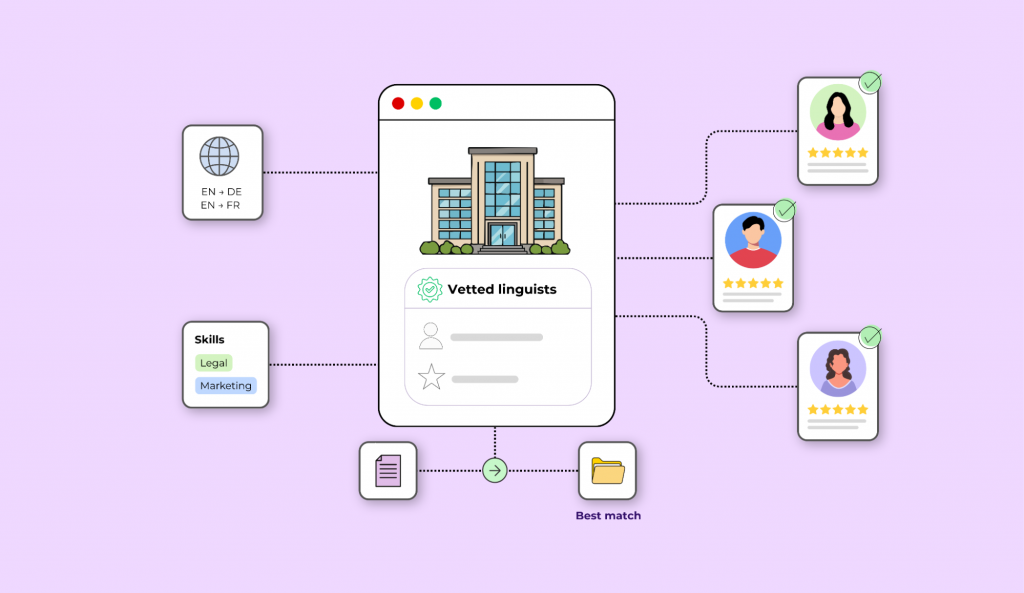
Translation vendor management now makes or breaks a language service provider. The translation industry is growing fast, with the global market estimated at $76.23B in 2025 and projected to reach $81.45B in 2026, while clients ask for tighter SLAs, lower prices, and faster launches. At the same time, every project manager knows the hidden cost: spreadsheets, inbox threads, version control issues, and manual updates. At Awtomated, we built our Translation Business Management Software (TBMS) to centralize vendor management, translation projects, finance, and quality so LSPs can build a reliable pool of vendors without losing hours to admin. If you are evaluating vendor tools and want to see how Awtomated compares to Plunet and XTRF for vendor management, we cover that in a separate guide. Translation vendor management is the strategic process of overseeing language service providers or freelance translators: sourcing, qualifying, assigning, paying, and retaining the right linguist for each task.

What Is Translation Vendor Management in an LSP Context?
Vendor management for language services means coordinating translators, in-country reviewers, translation agencies, interpreters, and other professionals across clients, deadlines, and localization projects. Effective vendor selection combines linguistic expertise and domain knowledge, because vendor selection matches content needs with the right agency or freelance specialists.
A structured translation process usually includes:
- Quote and intake: collect project requirements, target language, content type, references, and expected quality.
- Selection process: match a language pair, domain, availability, and past performance to suitable translators.
- Production: assign work, communicate context, share translation memories, and manage files in a cat tool.
- QA and payment: review errors, issue invoices, and close the project.
A Translation Management System (TMS) centralizes localization projects, while a TBMS like Awtomated connects the operational and business aspects around them. To understand exactly what a TBMS vendor module includes, see our full TBMS explainer.
Core Responsibilities of a Vendor Manager at an LSP
A vendor manager is part recruiter, part quality gatekeeper, and part relationship manager. A translation vendor manager must select and onboard freelance translators, validate expertise, manage contract negotiation, negotiate contracts with freelance translators, and keep contracts, NDAs, rates, and specializations organized.
Operationally, vendor managers assign specific projects to the right translation vendor, support problem solving skills when deadlines slip, and ensure clear communication between translators and project teams. This is where vendor management and project management are most tightly connected. Strategically, they plan for peaks like Black Friday, identify missing language coverage, review market trends, and analyze translator performance using quality metrics. In Awtomated, every vendor profile connects jobs, quality scores, financial data, and communication history, giving each company a better understanding of who is safe to hire.
Building and Maintaining a High-Quality Vendor Database
Your vendor database is the backbone of translation vendor management. Outdated data creates bottlenecks, duplicated work, overspending, and poor localization outcomes. A vendor database should include translators' language competencies and availability; vendor databases should include rates and availability of translators.
A strong database also stores domains such as legal, SaaS, life sciences, games, marketing, and post editing; certifications; time zones; capacity; websites; client restrictions; and preferred tools. In Awtomated, every project updates vendor history and performance, so PMs are not guessing. See how Awtomated’s vendor management tools keep that data connected across every project.
Data hygiene is essential: review inactive vendors quarterly, update rates each January, and tag specialists clearly. For example, a project manager can search “DE>EN, medical, Trados, weekend availability” and find suitable professionals with proven knowledge, not just names in a spreadsheet.
Recruiting and Onboarding New Freelance Translators Efficiently
Finding new freelance translators often starts on LinkedIn, ProZ, TranslatorsCafe, industry events like LocWorld, referrals, and niche agencies. The trouble is not sourcing potential vendors; it is managing applications, tests, documents, and follow-ups manually. For a detailed walk-through of how to find and vet freelance translators, see our dedicated hiring guide.
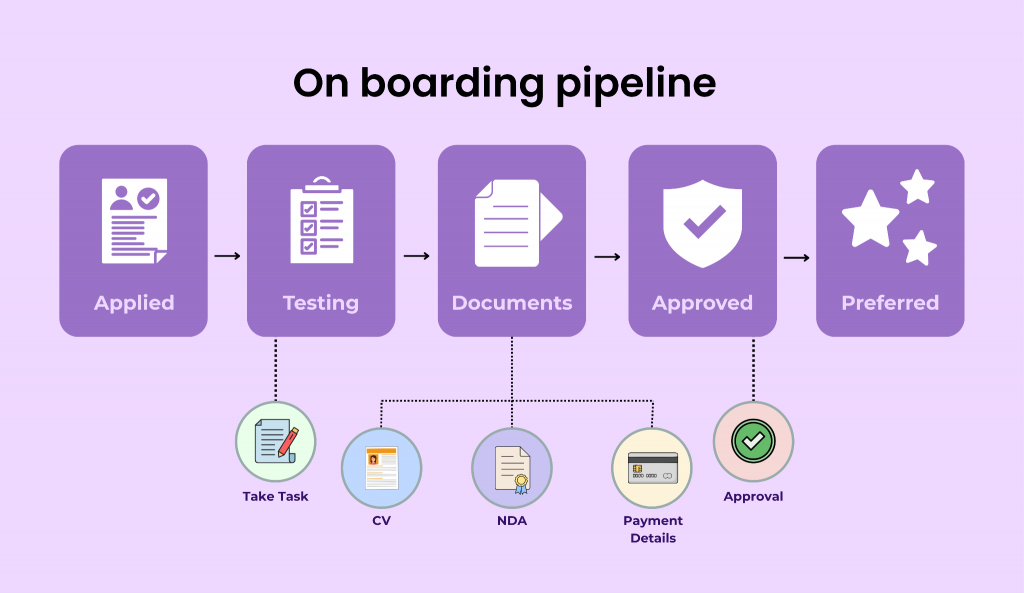
Vendor managers assess freelance translators' competencies through test assignments, and vetting involves selecting qualified linguists for specific subject matters. Strict vendor vetting protects corporate data and ensures legal compliance — especially if your agency follows ISO 17100 requirements for your vendor pool. Onboarding includes contracts and non-disclosure agreements, plus CVs, diplomas, payment details, tool access, glossaries, and clear guidelines.
With Awtomated, application forms can create draft profiles automatically. Statuses move from applied to testing to approved to preferred, and reminders chase missing documents. That saves time while keeping clear expectations visible from day one.
Ensuring and Measuring Translation Quality Across Your Vendor Pool
Translation quality should not depend on one person’s memory or mood. Quality is monitored using standardized metrics like Errors Per Thousand. Performance tracking measures quality and on-time delivery rates via KPIs, and performance tracking continuously monitors translation accuracy and responsiveness.
Use test projects for new translators, linguistic review on live work, client revision rate, on-time delivery rate, and structured feedback. Selection involves matching assignments to suitable professionals based on performance, not only price or availability. Continuous evaluation of vendors includes metrics for on-time delivery and accuracy.
Awtomated records these KPIs per vendor, language pair, client, and domain. That helps create preferred lists, demote underperformers, and identify training needs. Effective vendor management ensures high-quality localized content, and structured feedback and QA processes help translators understand preferences.
Balancing Costs, Rates, and Contract Negotiation Without Losing Time
LSPs live with tension: clients push prices down while top freelance translator talent expects fair market rates. Cost efficiency consolidates vendors to maximize volume discounts, but choosing only the cheapest option can damage translation quality.
Set rate ranges by language pair and domain, minimum charges, rush fees, and payment terms such as NET 30 or NET 45. Awtomated stores rate cards in one vendor record: per word, per hour, per page, client-specific exceptions, and rush multipliers. Streamlined vendor processes prevent overspending and duplicated work.
Annual benchmarking against the market keeps rates fair. More importantly, agreed terms stay inside the profile, so project managers quote faster and avoid one-off negotiations.
Supplier Care: Keeping Freelance Translators Engaged and Available
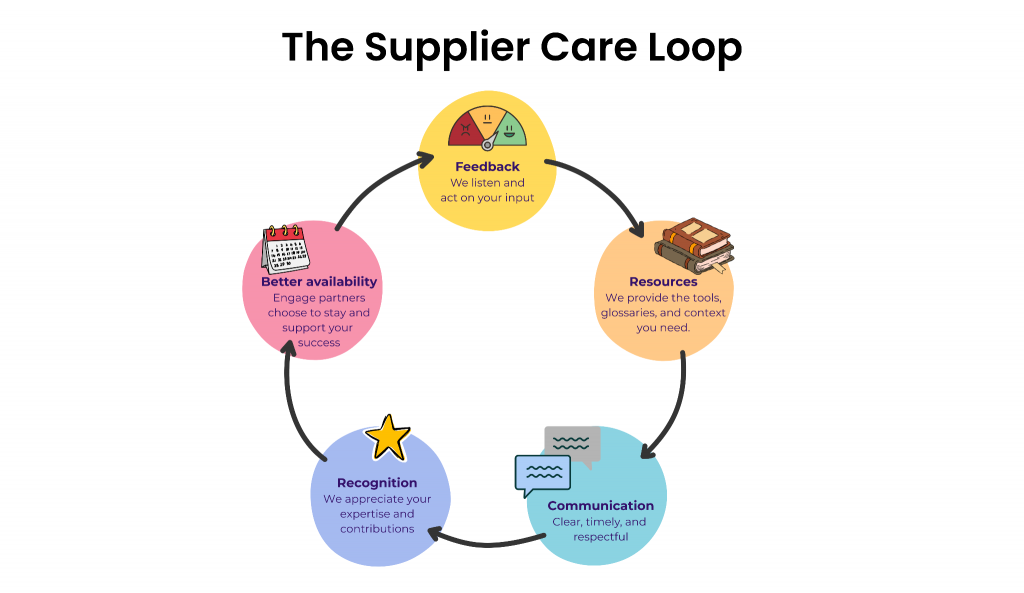
Supplier care means treating translation vendors as strategic partners, not disposable capacity. Treating translation vendors as strategic partners promotes collaboration, and vendor managers must maintain close relationships with freelance providers.
Regular updates and feedback enhance vendor performance and quality. Surveys can gauge freelance translators' experiences and improve communication. Invite translators to webinars, explain client culture, recognize top performers, and share resources. Translators need resources like glossaries and style guides to deliver accurate work; style guides detail brand voice and formatting preferences.
Designating a single point of contact improves communication with vendors. Communication prevents misunderstandings during the localization process, and clear communication improves vendor relationships and project outcomes. Using a communication platform streamlines vendor interactions and task assignments, helping teams communicate without scattered inboxes.
Automating the Translation Vendor Management Workflow with Awtomated
Spreadsheets do not scale when a translation agency manages hundreds of vendors and dozens of projects per week. According to Multilingual, project managers at midsize LSPs can lose 10–20% of their time to manual updates, chasing, and data entry.
Translation management systems help centralize communication and track projects. Using a Translation Management System organizes projects in one place. Translation management software centralizes glossaries and style guides for consistency. Translation memory tools store previously translated segments for consistency — and directly reduce the billable word count vendors need to handle. Computer-Assisted Translation (CAT) tools help maintain translation consistency.
Awtomated centralizes vendor profiles, project data, purchase orders, invoices, dashboards, risk analyses, and quality and risk analyses. TranslationOS centralizes workflows and performance data for localization. Auto-matching suggests vendors by language, domain, availability, cost, and quality — including matching the right linguists for post-editing when using vendors in an MTPE workflow. Triggered notifications, automatic POs, and finance workflows reduce admin. Optimized workflows eliminate project bottlenecks and speed up product launches. Centralized vendor management reduces operational risks in localization; centralized vendor management reduces operational risk and improves quality.
Reporting shows cost per language pair, vendor-level profitability, and responsiveness. Brand consistency ensures uniform terminology across international markets, and centralized management guarantees consistent brand voice across all regions. The natural next step is automating vendor assignment entirely — removing manual decisions from routine, repeatable project types.
From Chaos to a Scalable Vendor Strategy: Next Steps for LSPs
Sustainable translation business growth does not come from heroic admin. It comes from a robust supply chain that minimizes project delays and disruptions. Managing translation vendor relationships allows businesses to scale globally while controlling costs, and global scalability allows quick expansion into new languages.
Start with a simple 30-day plan:
- Audit your database for rates, availability, contracts, quality, and inactive vendors.
- Define KPIs for errors, delivery, responsiveness, and margin.
- Standardize onboarding for new freelance translators.
- Pilot Awtomated with a few high-volume language pairs.
- Review results with your localization team and adjust the process.
This article has one message: vendor management requires clear context provisioning and technology enablement. If you want high quality localization without drowning in admin, book a demo to see how Awtomated can replace scattered tools with one TBMS built for language service providers.
Table of Contents
- What Is Translation Vendor Management in an LSP Context?
- Core Responsibilities of a Vendor Manager at an LSP
- Building and Maintaining a High-Quality Vendor Database
- Recruiting and Onboarding New Freelance Translators Efficiently
- Ensuring and Measuring Translation Quality Across Your Vendor Pool
- Balancing Costs, Rates, and Contract Negotiation Without Losing Time
- Supplier Care: Keeping Freelance Translators Engaged and Available
- Automating the Translation Vendor Management Workflow with Awtomated
- From Chaos to a Scalable Vendor Strategy: Next Steps for LSPs
Ready to manage your Translation company easily?
Get Started for Free