Translation Agency Automation: 7 Repetitive Tasks You Should Stop Doing Manually in 2026
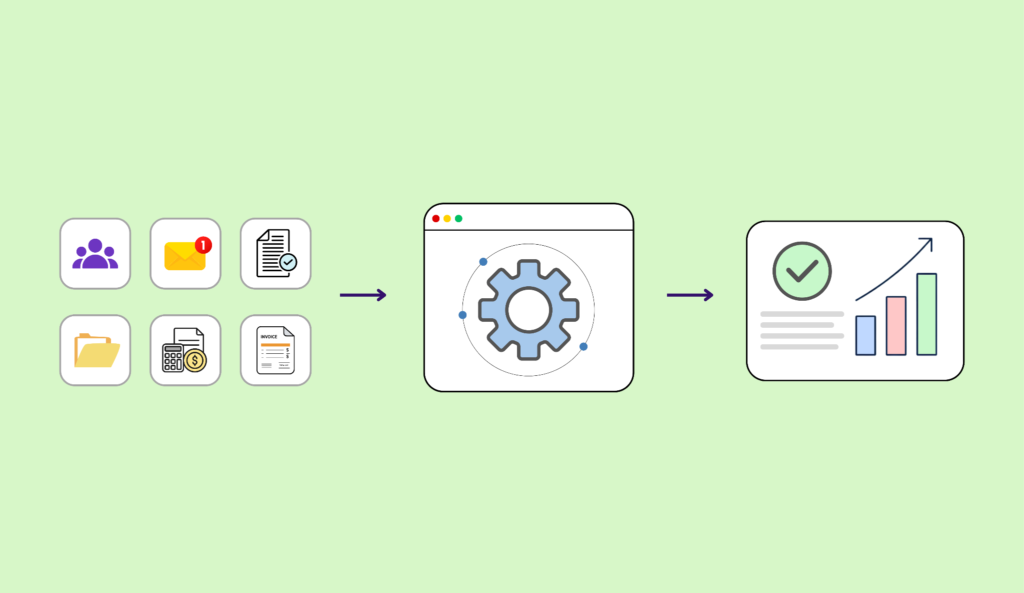
Translation agency automation matters because many agencies are still running modern language services with old habits: spreadsheets, inboxes, manual reminders, copy-pasted file names, and finance checks done at month-end.
At Awtomated, we build Translation Business Management Software for Language Service Providers, so we see the same pattern across hundreds of agency conversations. project managers may already use a translation management system, CAT tools, and machine translation, yet still lose dozens of hours every week to manual processes around quoting, project management, vendor admin, invoicing, and internal communications. The right project management software with automation built in changes that completely.
This article walks through seven repetitive tasks every serious translation agency should automate in 2026:
- Manual quote creation and follow-ups
- Copy-pasting files and project setup in CAT/TMS
- Manual vendor selection, assignment, and reminder emails
- Manual purchase orders, vendor timesheets, and invoices
- Client invoicing and revenue recognition
- Status reporting, progress tracking, and client communication
- Quality checks, style consistency, and asset management
The goal is not to remove human translators. The goal is to use workflow automation, ai translation automation, and connected systems so human expertise is focused where it matters most: translation quality, linguistic accuracy, cultural sensitivity, client strategy, and high quality translation.
What “Translation Agency Automation” Really Means in 2026
Translation agency automation is bigger than automatic translation. automatic translation, machine translation mt, google translate, large language models, and adaptive ai models can all help create translated text, but they are only one part of the translation process.
In 2026, real translation automation means automating the business layer around translation services: quoting, intake, project assignments, vendor management, quality control, delivery, finance, and reporting.
A TMS automates the entire translation workflow. A TMS integrates with content management systems for seamless workflows. A TMS can handle file transfers and data processing automatically. Translation Management Systems automate tasks like file transfers and quality checks.
Awtomated sits around these core components as the TBMS brain for the LSP. We do not ask agencies to abandon their CAT tools or MT engines. We help connect them into an integrated system. If you want a clear picture of what a TBMS automates across your whole business — beyond just translation itself — that breakdown is worth reading before evaluating any platform.
Think of it this way:
- ai translation automation helps decide when AI, manual translation, MTPE, or human review is appropriate.
- workflow automation routes content, approvals, deadlines, invoices, and notifications.
- enterprise translation automation connects CRM, CMS, CAT/TMS, MT engines, finance, and reporting.
- localization processes become governed, visible, and repeatable instead of scattered across inboxes.
- human input remains essential for quality, brand consistency, legal nuance, and customer preferences.
According to Crowdin’s 2026 enterprise survey, 95% of enterprises use AI or MT in some capacity, while 73% report faster releases after adopting AI translation and platform workflows. But speed without governance creates risk, which is why a TBMS matters. Crowdin’s survey also found that quality incidents increase when oversight is weak.
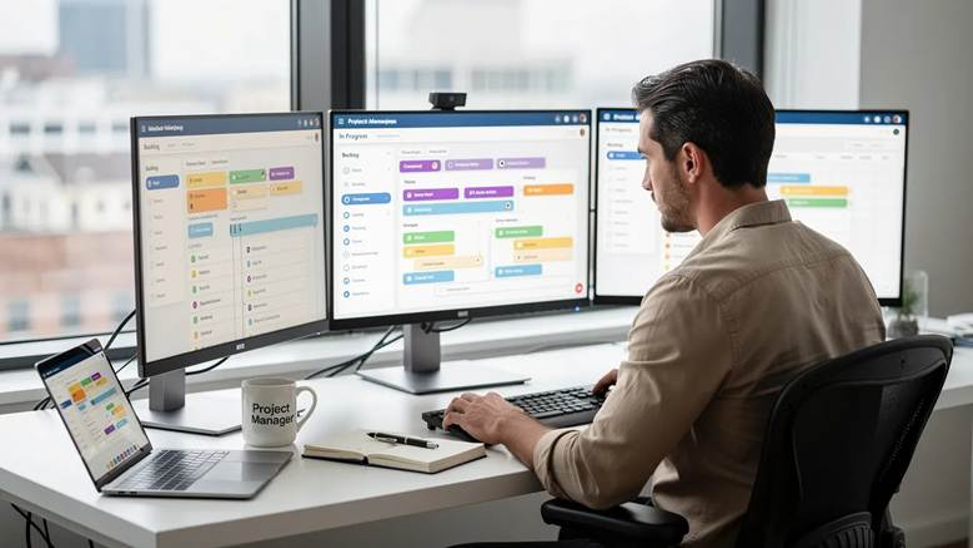
Repetitive Task #1: Manual Quote Creation and Follow-Ups
Too many agencies still build quotes in Excel or Word. Someone checks the word count, searches for the right rate card, estimates turnaround, calculates margin, writes an email, and hopes the client replies.
What’s still done manually:
- Looking up rates for each language pair
- Calculating pricing for target languages
- Estimating capacity and project timelines
- Deciding whether a translation project needs human translation, machine translation, MTPE, or review
- Sending follow-up emails when the quote goes quiet
How Awtomated automates it:
- Automatic word counts from files or connected systems
- Rate card lookup by client, service, language pair, and content type
- MT/human-service mix suggestions for multilingual content
- Margin, cost, rush fee, and turnaround calculations
- Branded quote follow-ups if approval has not happened after X days
Imagine a SaaS client sends 80,000 words of technical documentation for 12 languages. Instead of a PM spending half a day pricing the job, Awtomated can calculate costs, vendor margin, deadline feasibility, and service mix in under a minute. Automating administrative tasks reduces manual workload in translation. Companies can achieve significant cost savings through automation.
Repetitive Task #2: Copy-Pasting Files and Project Setup in CAT/TMS
File handling is one of the quietest sources of project delays. A PM downloads files from email, renames folders, uploads content into a CAT tool, attaches the translation memory, assigns workflows, exports the final files, and sends them back manually.
Automated workflows can create new projects automatically when content is added. This is especially important for software localization, internal documentation, help centers, product pages, code repositories, and technical documentation that change constantly.
Awtomated can connect with common CAT/TMS environments and content platforms, including CMS, Git, helpdesk, and custom systems. Automation streamlines workflows in translation agencies. Translation agencies leverage technologies to automate workflows.
A simple automated pipeline looks like this:
- A client uploads a file or adds content to a CMS.
- Awtomated reads the client profile, language services, target languages, and deadline rules.
- The connected translation management system creates the job and attaches translation memory, terminology management assets, and instructions.
- Machine Translation tools generate high-quality first drafts for projects when the content policy allows it.
- Human translators or reviewers complete the next step.
- Final file transfers, delivery, PO creation, and billing are triggered automatically.
Automated workflows reduce manual project management time significantly. Automated translation reduces project management time by eliminating manual tasks. Automated project management can double content processing speed.
Repetitive Task #3: Manual Vendor Selection, Assignment, and Reminder Emails
Many agencies still choose vendors by searching spreadsheets, checking email threads, and asking, “Are you available?” That may work for one language. It breaks quickly when the entire project covers 20 languages, three workflows, and multiple deadlines.
Awtomated uses vendor profiles, language pairs, subject-matter tags, negotiated rates, availability, performance history, and quality metrics to shortlist the right linguists and reviewers. This is the core of automating vendor assignment and follow-ups — removing the manual back-and-forth that eats PM hours on every multilingual project. See how Awtomated’s vendor management tools handle the full cycle from shortlisting to payment, including automating translator onboarding admin for new freelancers joining your roster.
This supports human translators and ai translation in practical ways:
- Human-only work goes to trusted human experts with the right domain background.
- MTPE tasks go to linguists experienced in post-editing.
- Review steps go to senior reviewers for translation accuracy and style.
- project assignments can run by broadcast offer, first-come-first-served, or best-score-first.
- Reminders go out automatically before deadlines.
- project managers can override assignments or lock preferred vendors for strategic accounts.
Human oversight remains essential. Automation helps make better recommendations; it does not remove the judgment of experienced PMs.
Automating project management reduces administrative overhead significantly. Automation reduces manual labor, increasing operational efficiency. Automation transforms translation agencies into scalable and agile businesses.
Repetitive Task #4: Manual Purchase Orders, Vendor Timesheets, and Invoices
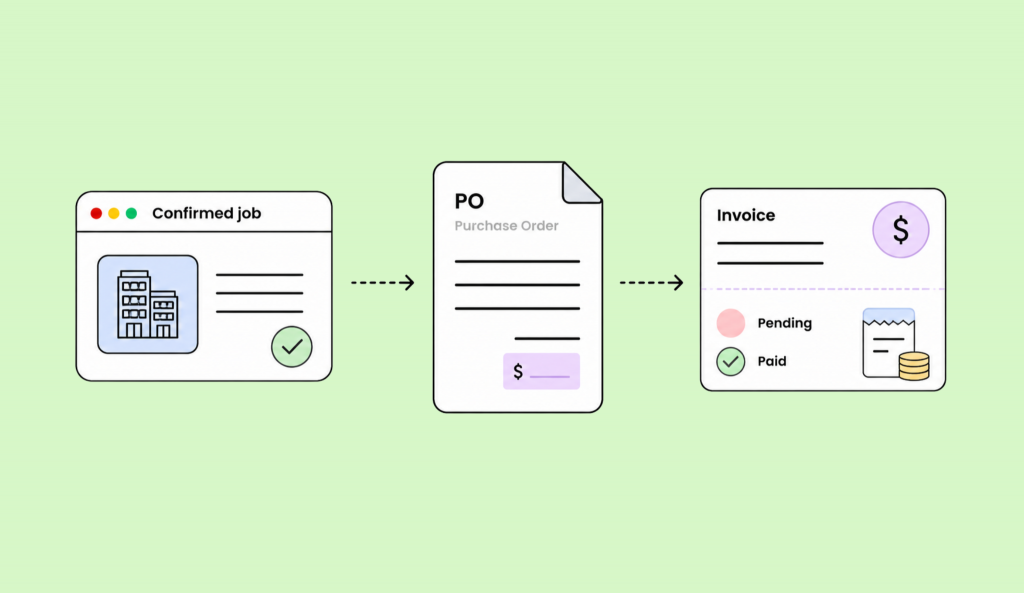
Vendor finance is where traditional processes hurt margins. PMs calculate fuzzy matches, word bands, minimum fees, rush surcharges, and special rates by hand. Then vendors send invoices weeks later, and someone checks everything again.
With Awtomated, confirmed jobs generate POs automatically based on service type, rate card, volume, language pair, and agreed discounts. A 2026 job may include AI translation, post-editing, human-only legal review, and layout QA, each with a different rate structure. A TBMS should handle that without forcing PMs back into spreadsheets.
Vendor portals also reduce email traffic. Translators can see confirmed work, earnings, invoice status, and downloadable documents without asking the agency.
The result is simple: fewer finance errors, faster payment cycles, and real-time cost visibility per client and per translation project. Automation allows project managers to monitor costs and quality metrics in real-time.
Repetitive Task #5: Client Invoicing and Revenue Recognition
Month-end invoicing should not feel like detective work. Yet many agencies still consolidate delivered jobs manually, check currencies, apply taxes, confirm payment terms, and search for missing line items. A proper approach to automating your invoicing and payment tracking eliminates that monthly scramble entirely. Explore how Awtomated’s finance management features connect delivered jobs directly to invoices, taxes, and your accounting system.
Before automation:
- Completed jobs are gathered from spreadsheets and inboxes.
- Finance checks rates, taxes, and currency manually.
- Scope changes or disputes are tracked separately.
- Revenue visibility arrives too late to guide decisions.
With Awtomated TBMS:
- Completed jobs are grouped by client automatically.
- Agreed rate cards, currency, taxes, and payment terms are applied.
- Invoices are generated for export to Xero, QuickBooks, or local ERPs.
- Credit notes, rework, and adjustments are tracked for auditability.
- Dashboards show monthly recurring revenue, margins per client, aging receivables, and profitability.
A strong finance workflow is a game changer. The Lango case study from Intuit shows what connected finance automation can do: aged receivables over 90 days fell from 22% to under 2%, and month-end close dropped from 45 days to 15 days. Intuit published the case study here.
Repetitive Task #6: Status Reporting, Progress Tracking, and Client Communication
Without automation, PMs spend hours answering the same question: “Where are we with this project?” They update spreadsheets, chase vendors, write internal summaries, and send client emails.
Awtomated centralizes tracking progress, deadlines, assignees, blockers, finance, and delivery status. Real-time project tracking helps prevent missed translation deliveries, and getting automated profitability reports per project means PMs stop discovering margin problems at month-end. See the full capabilities in Awtomated’s project management features.
A dashboard might show:
- Project name, client, stage, due date, and owner
- Progress by language and workflow step
- Vendor acceptance and delivery status
- Quality metrics and automated quality scoring
- Cost, margin, and invoice readiness
- Files delivered, pending, or blocked
Automated notifications can fire when MT output is ready for post-editing, when work moves from translation to review, or when final files are delivered. Automated workflows allow translation agencies to handle larger volumes of content. Automated workflows can handle fluctuating content volumes efficiently. Automated workflows handle fluctuating content volumes efficiently.
For enterprise clients, a weekly automated report can include volumes per language, on-time delivery rate, cost savings from ai translation automation, quality scores, and project timelines. Automated workflows can also reduce internal communications by giving everyone the same live view.

Repetitive Task #7: Quality Checks, Style Consistency, and Asset Management
Quality cannot depend on someone remembering to email the latest style guide. Traditional translation workflows often leave linguistic assets scattered across folders, inboxes, and old project archives.
Computer-Assisted Translation tools assist human translators by improving consistency. Translation Memory technologies ensure consistency across projects. Terminology Enforcement ensures industry terms are translated identically.
Awtomated helps sync translation memory, term bases, client instructions, and terminology management rules with connected CAT/TMS tools, so translators see the latest guidance.
Automated checks flag common errors like untranslated segments. Built-in AI tools catch punctuation inconsistencies in translations. AI tools check for terminology consistency and grammar issues. Automated processes ensure formatting consistency in translations. Automated quality control ensures consistency across millions of words. Quality control is integrated into the translation workflow.
AI translation automation combines AI models with automated quality scoring. AI translation automation combines automated quality scoring and workflow routing. Automated quality scoring evaluates translated segments without human input. But automated translation quality estimation is not final approval. High-stakes marketing, legal, regulated, or culturally sensitive content still needs human review.
Automation improves consistency in translation projects. It can also improve translation quality by making the right checks unavoidable instead of optional.
How AI Translation Fits Into Agency Automation (Without Replacing Humans)
ai translation is not a standalone operating model for LSPs. It is one component in a broader automated translation workflow.
In 2026, 65% of enterprise translation volume uses AI-driven systems. AI-driven systems account for 65% of enterprise translation volume. AI translation automation accounts for 65% of enterprise translation volume. That makes governance more important, not less.
Adaptive Neural Machine Translation learns from human edits in real-time. AI translation systems improve continuously with every project completed. AI-driven tools improve the quality of initial translations in translation. Automated translation minimizes human errors in localization processes. Automated translation tools can minimize human errors in localization processes. Automated translation minimizes human errors in content management.
Awtomated lets agencies define routes by content type. For a detailed look at how smart LSPs handle automating the MT submission step in MTPE — including engine selection, quality thresholds, and routing logic — that workflow guide explains exactly how the handoff works. See also how Awtomated’s AI translation tools fit into the broader agency workflow:
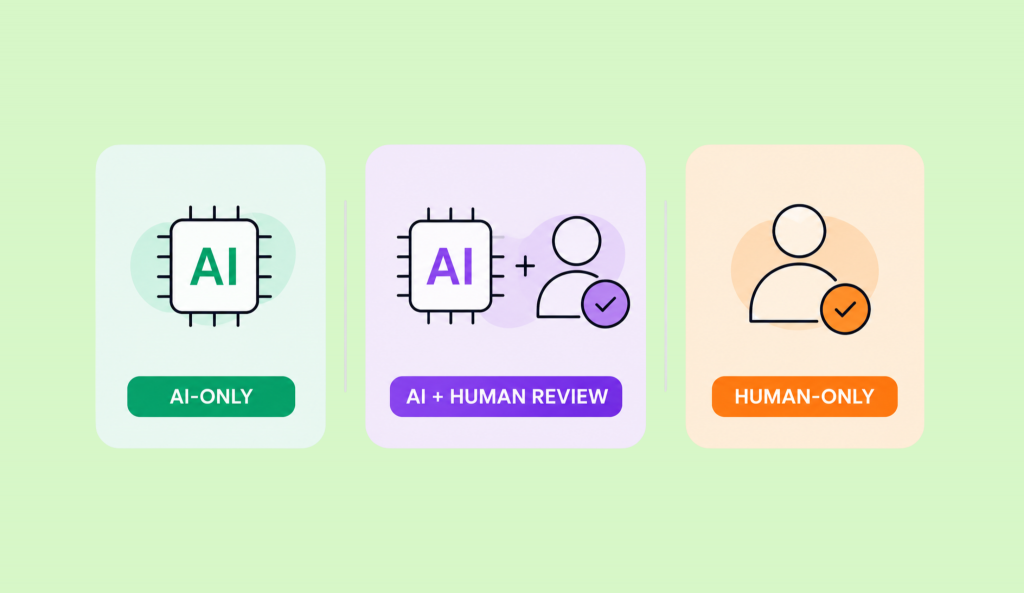
- AI-only: useful for low-risk, high-volume content where speed matters most.
- AI + human in the loop: ideal for support content, internal documentation, and knowledge bases that need speed plus human input.
- Human-only: essential for legal, creative, strategic, regulated, or brand-sensitive content.
Large language models and adaptive ai models are powerful, but they still need human expertise. Human translators bring nuance, cultural sensitivity, and judgment that artificial intelligence cannot guarantee. Smartling’s work with Amazon Nova Pro showed 26% higher BLEU scores and 30% less human editing effort when AI was paired with translation memory, glossaries, and style guidance through RAG. AWS describes the case study here.
Building an End-to-End Automated Localization Process with Awtomated
A modern localization process should not require agencies to replace their entire tech stack. Awtomated is built as the TBMS hub around existing CAT, TMS, MT, finance, and client systems.
Here is what the entire workflow can look like:
- A client adds source content to a CMS, support platform, marketing automation tool, or code repository.
- Awtomated detects the request and creates a quote with rates, target languages, service levels, and margin.
- Once approved, Awtomated creates the project and sends content to the connected CAT/TMS.
- Content is routed to machine translation, human translators, MTPE, or human review based on client rules.
- Quality checks run for tags, length, numbers, terminology, grammar, punctuation, and brand consistency.
- Final files are delivered through the approved channel.
- Vendor POs and client invoices are generated automatically.
- Payment status, margin, and reporting are updated in real time.
Automation accelerates turnaround times in translation. Automation accelerates time-to-market for new products. Automation drastically cuts delivery times and operational costs in translation.
For agencies serving global markets and a global audience, this is how translation efficiency supports global growth without adding more admin headcount.

How to Decide What to Automate First in Your Agency
Not every agency should automate everything on day one. Start where manual labor is highest and risk is lowest. A good first step is identifying which manual tasks are costing you the most — the operations audit approach helps agencies prioritise automation by actual time and margin impact rather than guesswork.
Use a simple 30–60–90 day roadmap:
- Days 1–30: List all recurring tasks, estimate weekly time spent, and identify the biggest bottlenecks in quoting, vendor selection, invoicing, and status updates.
- Days 31–60: Automate quotes, project assignments, client reminders, vendor POs, and basic reporting for one or two key accounts.
- Days 61–90: Measure PM hours saved, margin improvement, delivery speed, quality metrics, and client satisfaction before rolling automation agency-wide.
Start with business operations before changing sensitive linguistic workflows. Quote generation, vendor assignment, file routing, and invoicing usually create fast wins. Then expand into automated quality scoring, MT routing, and deeper localization processes.
Awtomated’s onboarding team helps agencies map current traditional processes, configure rules, connect tools, and automate tasks around their client base.
Conclusion: Make 2026 the Year You Stop Running Your LSP on Spreadsheets
The seven tasks above should no longer be manual in a serious LSP: quoting, file setup, vendor assignment, vendor finance, client invoicing, status reporting, and quality asset management.
Translation agency automation is not about removing people. It is about freeing project managers, human translators, reviewers, and client teams to do the work that actually benefits clients: solving problems, protecting translation quality, improving relationships, and scaling language services with confidence.
If your agency is ready for digital transformation, Awtomated can help you design a future-ready translation management operation around the tools you already use. Book a demo with Awtomated and see how TBMS-driven enterprise translation automation can turn your agency into a faster, clearer, more profitable business.
Table of Contents
- What “Translation Agency Automation” Really Means in 2026
- Repetitive Task #1: Manual Quote Creation and Follow-Ups
- Repetitive Task #2: Copy-Pasting Files and Project Setup in CAT/TMS
- Repetitive Task #3: Manual Vendor Selection, Assignment, and Reminder Emails
- Repetitive Task #4: Manual Purchase Orders, Vendor Timesheets, and Invoices
- Repetitive Task #5: Client Invoicing and Revenue Recognition
- Repetitive Task #6: Status Reporting, Progress Tracking, and Client Communication
- Repetitive Task #7: Quality Checks, Style Consistency, and Asset Management
- How AI Translation Fits Into Agency Automation (Without Replacing Humans)
- Building an End-to-End Automated Localization Process with Awtomated
- How to Decide What to Automate First in Your Agency
- Conclusion: Make 2026 the Year You Stop Running Your LSP on Spreadsheets
Ready to manage your Translation company easily?
Get Started for Free