How to Use Agency Case Studies to Win More Translation Contracts
Translation buyers in 2026 no longer choose vendors based on rate cards alone. The agencies winning the biggest contracts are the ones telling better stories with proof behind them.
Key Takeaways
- Effective agency case studies combine storytelling with hard data and visual proof, making them far more persuasive than generic portfolios.
- High-impact marketing merges strong storytelling with actionable data-and translation is no exception.
- Awtomated helps you collect project metrics, organize assets, and produce compelling case studies at scale.
- You will find concrete examples from SaaS, legal, and game localization projects plus a repeatable structure to follow.
- The goal is simple: higher close rates on RFPs, bigger retainers, and longer client relationships.
Why Case Studies Win Translation Contracts (Not Just Portfolios)
Procurement teams at tech, legal, and e-commerce companies now treat case studies as baseline requirements in vendor assessments. According to Nimdzi's buyer research, localization buyers rate on-time delivery and quality management highly, but communication, flexibility, and transparency matter just as much, and 56% say they need providers to act as partners to their business. Nimdzi's 2025 Buyer Report pushes that further: buyers increasingly judge vendors on time-to-market, engagement, and ROI on translated content rather than cost per word.
A generic portfolio shows language pairs and brand logos. A structured case study shows the challenge, your workflow, and quantified results. In a 2025 SaaS localization RFP, the agency with documented proof of 38% faster releases won despite charging more per word. Buyers share these internally with legal, product, and marketing teams to justify their selection, so clarity and business impact carry a lot of weight.
Defining the Big Idea Behind Each Case Study
Every case study needs one big idea-a single narrative anchored to a measurable outcome. Think: "Zero missed regulatory deadlines across 24 months" or "Cut product launch translation time by 40%."
Choose ideas that mirror your ideal future client's challenges. Awtomated can surface patterns across completed projects-deadlines met, revision rates, complaint frequency-to help you identify which stories deliver the strongest proof. Campaigns can improve brand connection by aligning with social causes, and translation case studies work the same way when aligned with buyer pain points.
Gathering the Right Inputs: Data, People, and Proof
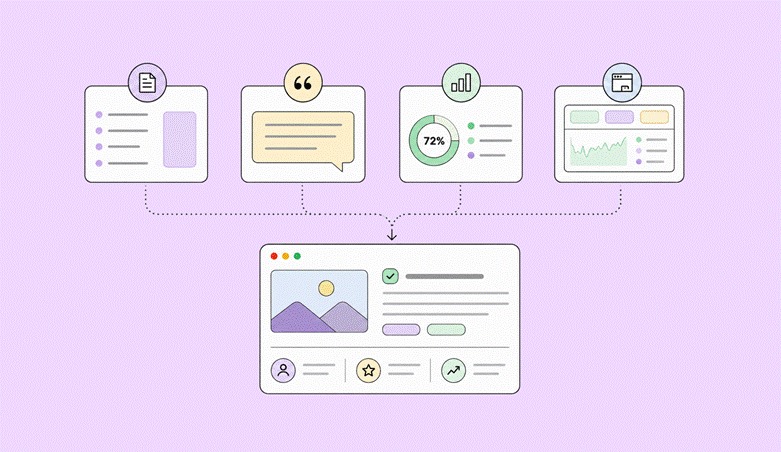
Go to the source: PMs, linguists, clients, and the project data stored in your Awtomated platform. High-impact case studies focus on metrics such as funds raised and time saved-in translation, that means word counts, turnaround times, revision rates, and QA scores.
Interview team members for deeper insights into projects. Use the '5 Whys' technique to uncover root causes behind challenges your team solved. Request a short quote from the client to add social proof, and include imagery with context to enhance storytelling-screenshots of dashboards, before/after workflow diagrams, or style guide extracts.
Structuring Translation Agency Case Studies for Maximum Impact
A master case study should be 800 to 1500 words long. Effective case studies can be adapted for various formats and lengths: 150-word snapshots for RFP attachments, one-slide visuals for pitch decks, or full digital pages for your website.
Follow this template in order:
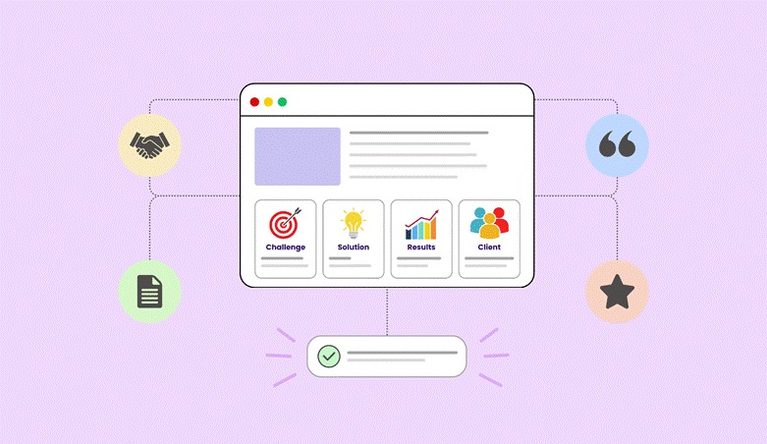
- Client & Industry: Concrete details (e.g., "EU-based B2B SaaS platform, 12 countries")
- Challenge: What wasn't working
- Awtomated-Powered Workflow: How briefs, assignments, QA steps, and invoicing were managed
- Outcomes: 3–5 quantified results
- Client Quote: Social proof from a real person
- Key Takeaways for Prospects: What a new client can expect
Learning from Cross-Industry Case Study Innovation
Case studies showcase innovative marketing campaigns across various media, and translation agencies can learn from how other industries work this form of content. The top 30 case studies were viewed in May 2026, revealing what makes people pay attention.
IKEA's campaign 'The Wonderful Everyday' is among the top case studies. McDonald's nostalgia campaign was created by BBDO Paris. CeraVe's 'Anti-Advertising' campaign turned a utilitarian brand into a cultural phenomenon. The 'Reverse Selfie' campaign addressed the negative impact of photo retouching apps, and Dove's campaign achieved 3.2 billion impressions in its first week. Heineken's 'Boring Phone' campaign aimed to enhance genuine social interactions, while The Salvation Army gamified secondhand shopping using Roblox. TV channel Latina created extra airtime for charity campaigns, and Dentsu Creative addresses waste management in advertising because branded waste harms brand image significantly. AI is used to combat phone scams effectively, proving that innovation in storytelling reaches every sector. Visual data-led campaigns can educate consumers and shift detection metrics-the same principle applies when your case study uses a chart showing delivery improvements from 2023 to 2025.
The product of all this cross-industry evidence: your translation case studies should blend narrative with numbers, just as these campaigns do.

Using Awtomated to Systematize and Scale Case Study Creation
Awtomated is the operational backbone that turns everyday projects into polished case studies. Tag "case-study-worthy" jobs as they happen-large volume, tight deadline, high client praise. At the end of each quarter, marketing exports candidate project data and drafts 2–3 new stories. PMs should add internal notes while the project is live, not months later. Store final PDFs back into the client profile so sales reps attach them to proposals instantly. Set an internal SLA: for every flagship project completed, a draft is produced within 30 days, then updated as results accumulate.
Measuring the Business Impact of Your Case Studies
Track proposal win rate before and after deploying case studies, average contract size, sales cycle length, and renewal rates. Have sales reps log in Awtomated which case studies were sent before a deal closed. Run a quarterly review: identify top performers, retire outdated examples, and test different angles-speed-focused versus quality-focused-to see which resonates by industry.
FAQ
How do I write case studies when my clients are under strict NDAs?
Anonymize the client name (e.g., "Global fintech, EU-based") while sharing volumes, timelines, and results. Store written approval for each anonymized case in Awtomated. Focus on process and outcomes rather than proprietary product details. Some tech and e-commerce clients welcome named stories if positioned as a win for their brand too.
What if my agency is small and doesn't have big clients yet?
You can still create compelling case studies around smaller, well-executed projects from 2023–2025. Focus on specialization-medical device IFUs, Shopify stores, indie games-and let the big idea carry the narrative. Combine several similar micro-projects into one themed case study. Awtomated helps small teams look professional by presenting structured data consistently.
How often should I update my case studies?
Review every 6–12 months. Refresh metrics when you complete new phases with the same client, like adding languages in 2024–2026. High-performing evergreen case studies can stay live for years if updated with fresh results.
How many case studies do I really need?
Start with 5–7 covering different industries and content types. Over time, build toward 12–15 so sales can match nearly any prospect. Map coverage: at least one each for SaaS, legal, marketing, and technical work.
Should I create video case studies or stick to written ones?
Written case studies are more flexible for RFPs, decks, and website content. Use video sparingly for flagship projects where a client will appear on camera. Prioritize a solid library of written case studies before investing in video production.
Table of Contents
- Why Case Studies Win Translation Contracts (Not Just Portfolios)
- Defining the Big Idea Behind Each Case Study
- Gathering the Right Inputs: Data, People, and Proof
- Structuring Translation Agency Case Studies for Maximum Impact
- Learning from Cross-Industry Case Study Innovation
- Using Awtomated to Systematize and Scale Case Study Creation
- Measuring the Business Impact of Your Case Studies
- FAQ
Ready to manage your Translation company easily?
Get Started for Free