Managing Multi-Language Projects: A Project Manager’s Complete Playbook
Introduction: Why Multilingual Project Management Matters in 2026
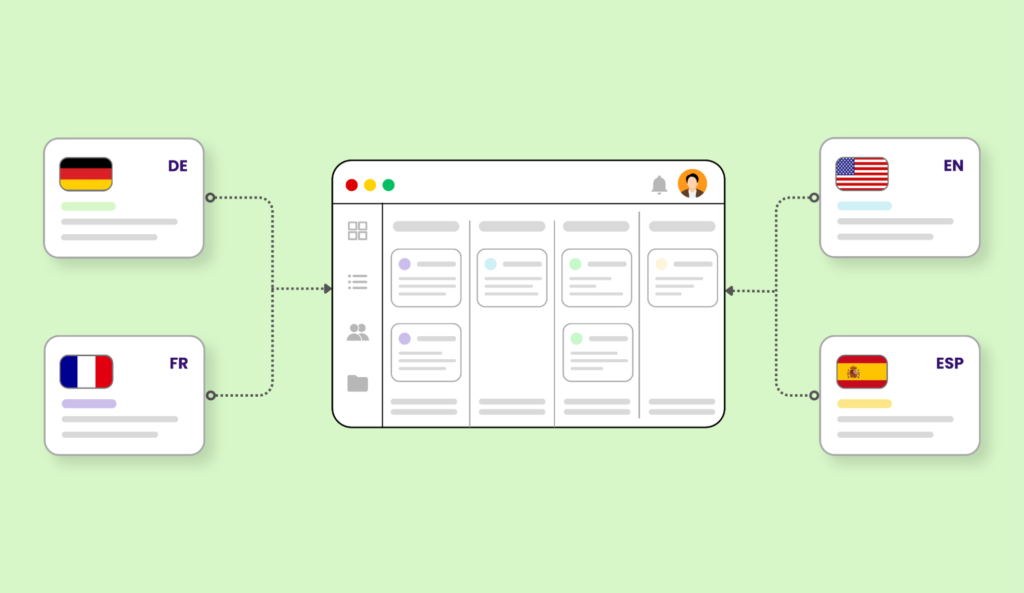
Remote work made global hiring normal; 2026 made it operationally essential. With global remote hiring growing fast and startups expanding across borders earlier, project managers now need skills that bridge different countries, languages, time zones, and work norms.
Multilingual project management is not just project management with translation added. It means more stakeholders, more dependencies, more chances for miscommunication, and a stronger need for quality assurance. SaaS rollouts across Europe and LATAM, global product launches, and international campaigns all prove the main point: structure decides project success.
At Awtomated, we built the best Translation Business Management Software for this reality: multilingual teams, vendors, translation services, budgets, feedback, and workflows in one place.
What Is a Multilingual Project (and Where Project Managers Go Wrong)?
A multilingual project is any project where deliverables, communication, or both must work in two or more languages for different markets. Examples include a 10-language website, an 8-market ad campaign, software localization for Europe and Asia, or EU regulatory documentation in 24 official languages.
Localization involves adapting materials to suit local audiences. Localization project managers adapt content for specific markets, and they ensure localized content aligns with original intent and tone. Cultural differences, local rules, linguistic differences, and cultural nuances turn “simple translation” into localization.
Common failures include:
- unmanaged scope creep across multiple languages;
- ad-hoc vendor selection;
- no central glossary or system of record;
- relying on email and spreadsheets.
Awtomated centralizes project planning, project requirements, translation process steps, and quality assurance across all languages.
Foundations: Role of the Project Manager in a Multilingual Environment
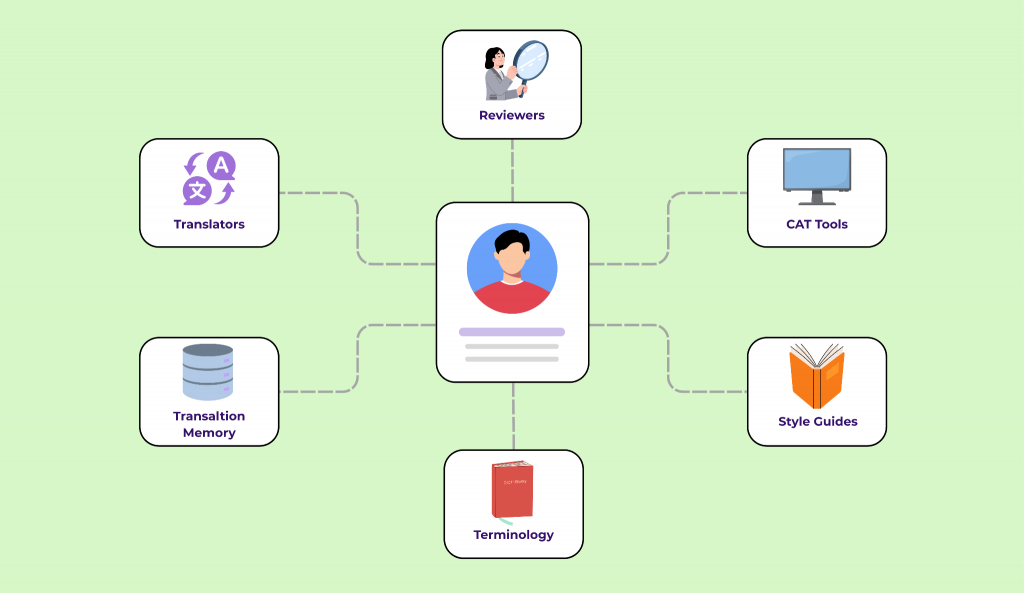
In multilingual projects, the project manager becomes the orchestrator of people, culture, and advanced technology. Effective multilingual project management requires bridging linguistic and cultural gaps. Effective communication is crucial in multilingual project management.
Generalist project managers track tasks. Localization project managers connect various departments in the workflow, manage a language service provider, work closely with reviewers, and understand CAT tools, translation memories, style guides, and terminology.
Awtomated gives project managers one dashboard for deadlines, vendors, project budget, language combinations, cost, quality, and assigning tasks. A sample timeline: source content → extraction → translation → edit → in-market review → layout or technical issues check → launch.
Step 1: Scoping and Project Planning for a Multilingual Project
Accurate scoping is essential because missed content becomes rework later. Define source language, target languages, markets, content types, delivery formats, project goals, project objectives, and resources.
Estimate word counts, string counts, media assets, regulated content, creative content, and design needs. Designing documents to accommodate text expansion supports multilingual content. Hybrid project management combines traditional and agile methodologies; hybrid project management addresses unique challenges of multilingual teams, and industries like IT and marketing benefit from hybrid project management.
Awtomated can pull counts from CMS, Git, and design tools, then generate per-language cost and timeline projections.
Step 2: Designing Communication Flows and Language Strategy
Decide communication rules before kickoff. Standardizing a common language for communication can reduce miscommunication. Using English as a common language can streamline multilingual projects, while local languages should support in-market feedback.
Prioritizing written documentation over verbal communication reduces misinterpretation. Using professional translation tools improves clarity in project documentation. Define Slack or Teams channels, response times, meeting cadence, escalation paths, and who must provide regular updates.
Time zone conflicts often cause scheduling bottlenecks in project management. Awtomated links communication to each job, file, client, and language so nothing gets lost.
Step 3: Accounting for Cultural Differences and Local Expectations
Language is only one layer. Cultural nuances significantly impact multilingual project success. Understanding cultural nuances is crucial for effective localization, and understanding cultural nuances enhances user engagement and satisfaction.
A US campaign may need creative solutions for Japan. Imagery and color may shift for the Middle East. German copy may require a different tone than Brazilian Portuguese. Differences in communication styles can cause cultural misunderstandings; cultural differences can lead to misunderstandings in project management.
Religious holidays can impact project timelines and marketing strategies, including Ramadan, Golden Week, Diwali, and Chinese New Year. Hiring local team members provides valuable cultural insights. Cultural influences shape behaviors and expectations in project teams. Awtomated stores market research, style guides, cultural notes, and centralized terminology.
Step 4: Building and Managing Multilingual Teams and Vendors
The right team blends internal linguists, external vendors, SMEs, and local reviewers. Select a translation company or freelancer by domain knowledge, native fluency, quality scores, tool ability, and capacity.
Long-tail languages may need specialist partners. Set expectations for turnaround, formats, QA, feedback, services, and KPIs. Cross-cultural sensitivity training helps team members understand differing work norms. Cultivating cultural intelligence fosters mutual respect in diverse project teams.
Awtomated helps with managing projects by assigning tasks to linguists or vendors by language pair, specialty, and performance history.
Step 5: Workflow Design, Automation, and Advanced Technology
Modern multilingual project tools enhance team collaboration across languages. Multilingual project tools integrate translation features for seamless collaboration. Multilingual project tools enhance collaboration across language barriers.
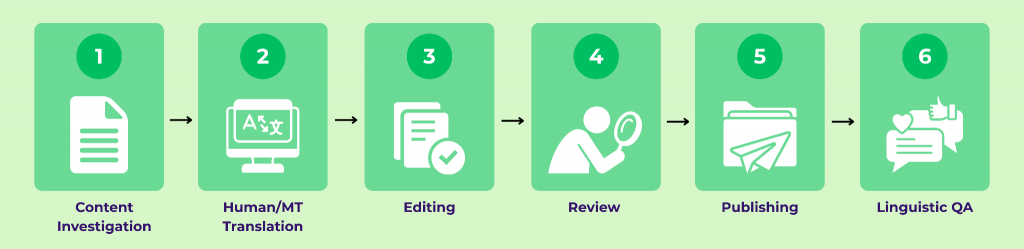
The workflow is simple to describe but hard to manage: content ingestion → human or MT translation → editing → review → publishing → linguistic QA. Use MT with post-editing for lower-risk support content; use human-only translation for legal, brand, medical, and sensitive work.
Awtomated connects CAT tools, MT engines, finance, and CRM systems to streamline workflows. For context, Zoho CRM supports 26 languages for multilingual teams. Samepage project management software is available in seven languages. ProofHub supports multiple languages including English, Spanish, and French. Useful, yes-but a TBMS like Awtomated is built for localization industry operations, not just that.
Step 6: Quality Assurance Across Languages
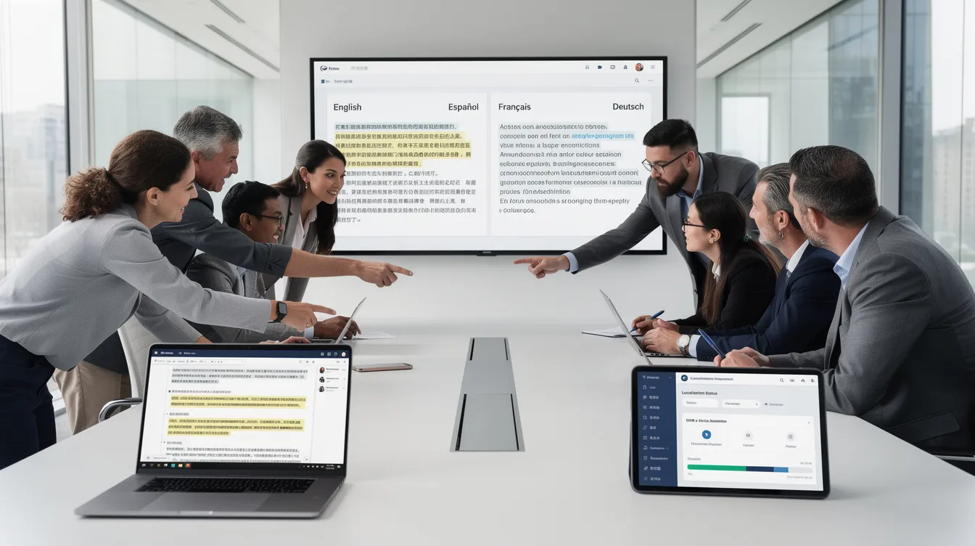
Quality assurance is not a final checkbox. It runs through the full lifecycle. The layers include linguistic accuracy, consistent terminology, formatting, layout, software checks, and final sign-off.
Create a glossary to ensure consistent terminology across all languages. Centralized terminology helps to keep global teams aligned. Use checklists, error typologies, LQA scores, spellcheckers, terminology checks, pseudo-translation, and screenshot review.
Awtomated tracks quality per vendor and language, logs issues, and turns feedback into better vendor selection, training, development, and maintaining quality.
Step 7: Tracking, Reporting, and Proving Project Success
Stakeholders want visibility into timelines, cost, and outcomes. Key metrics include project completion time and team satisfaction, plus on-time delivery, cost per word, revision rate, quality scores, and cycle time.
Dashboards should show executives and regional managers progress at a glance. In 2025–2026, successful projects increasingly prove business value through faster launches, higher conversion after localized UX, and reduced rework.
Awtomated reports by client, region, language, vendor, and project budget, helping clients understand what worked and where to focus next.
Real-World Scenarios: Applying the Playbook
Scenario 1: A B2B SaaS launch in 12 languages across Europe and APAC needs planning, UI extraction, vendor selection, phased rollout, and support for technical issues.
Scenario 2: A consumer app rebrand for Spain, Mexico, Argentina, and Colombia needs different languages, cultural sensitivity, dialect choices, and reviewer feedback.
Scenario 3: EU medical device documentation under MDR needs version traceability, regulated translation, and strict approval workflows.
In each example, Awtomated centralizes briefs, automates workflows, coordinates multilingual teams, and protects quality.
How Awtomated Becomes Your Multilingual Project Nerve Center
Awtomated is the best Translation Business Management Software for complex multilingual project management because it brings people, files, vendors, language assets, and reporting into one operating system.
Core capabilities include:
- unified dashboard;
- project templates;
- automated job creation per language pair;
- vendor assignment;
- integrated quality assurance;
- terminology, glossaries, translation memories, and style guides;
- financial tracking and project budget visibility.
Generic tools help with tasks, but they do not understand translation, localization, vendor quality, or multilingual content deeply enough. Awtomated does.

Conclusion: From Chaos to Control in Multilingual Project Management
The key takeaways are clear: define scope early, document communication, plan around culture, build the right team, use advanced technology, measure quality, and report outcomes. That is expert project management for multilingual environments.
Multilingual project management adapts projects for different language markets. The unique challenges are real: language barriers, cultural friction, decision-making styles, and schedule pressure. But with the right practices and tools, localization projects become repeatable, predictable, and scalable.
If your business is managing multilingual content across clients, markets, and languages, explore Awtomated. We can support your next project from the first brief to global launch.
Table of Contents
- Introduction: Why Multilingual Project Management Matters in 2026
- What Is a Multilingual Project (and Where Project Managers Go Wrong)?
- Foundations: Role of the Project Manager in a Multilingual Environment
- Step 1: Scoping and Project Planning for a Multilingual Project
- Step 2: Designing Communication Flows and Language Strategy
- Step 3: Accounting for Cultural Differences and Local Expectations
- Step 4: Building and Managing Multilingual Teams and Vendors
- Step 5: Workflow Design, Automation, and Advanced Technology
- Step 6: Quality Assurance Across Languages
- Step 7: Tracking, Reporting, and Proving Project Success
- Real-World Scenarios: Applying the Playbook
- How Awtomated Becomes Your Multilingual Project Nerve Center
- Conclusion: From Chaos to Control in Multilingual Project Management
Ready to manage your Translation company easily?
Get Started for Free